“If it’s a girl, she should be a doctor.
If it’s a boy, of course engineering.”
This is a sentence many of us grew up hearing in India — casually, repeatedly, unquestioned. It wasn’t advice. It was a rule.
I took BiPC (Biology, Physics and Chemistry)after 10th.
My brother took MPC (Maths, Physics and Chemistry)
So did almost everyone in my extended family. One girl, one boy — the outcomes almost identical. Looking back, it feels less like coincidence and more like inheritance.
Growing Up With a Pre-Decided Future
In 2010, when I followed this path, there was barely any internet or social media to show alternative lives. You didn’t really know what else existed. You settled into what was already planned for you.
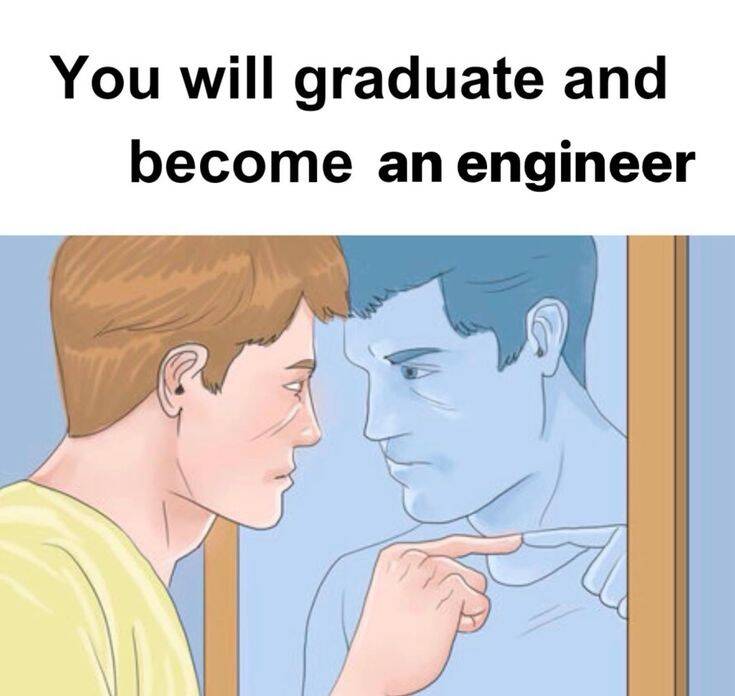
I believed it was normal — normal for girls to be in medicine and boys in engineering. I remember watching 3 Idiots movie and still accepting this division without question. Even stories about questioning the system existed within the same narrow frame.
But today, it’s 2025.
My niece has taken science and is struggling to get a medical seat — and I cannot believe that 15 years later, the idea hasn’t changed.
Where Is the Change? Where Is the Awareness?
Parents choosing what their children study is still generalized — I would even say normalized.
Despite living in a time where:
• Information is everywhere
• Career paths are visible online
• People are choosing unconventional professions on social media
…in real life, the same expectations persist.
I sometimes wonder — are these people we see on screens real, or just distant examples that never reach our households?
Because inside many Indian homes, the definition of “success” still hasn’t expanded.
Gender, Respectability, and Control
Why does this bias exist?
An article published by Review Adda suggests that engineering is perceived as more masculine — a field associated with curiosity, movement, travel, and exploration. Men are drawn to it because it allows them to go out into the world.
Medicine, on the other hand, is seen as more respectable for women — stable, rooted, and socially approved. A profession where a woman can “stay in one place” and still build a career.
Even career choices were gendered long before we ever made them.
When Desire Is Replaced by Duty
I never wanted to be a doctor.
But I was forced to take science, and slowly made to believe that this was my life. I struggled for years trying to get into a system my heart didn’t desire.
There’s also a practical question we rarely ask:
• How many medical seats are available?
• How many students are competing for them?
• How do you give your 100% when your heart isn’t in it?
And more painfully —
how many students in India end their lives because they couldn’t achieve their parents’ educational goals?
That question should disturb us more than it does.
What Can Actually Change?
Awareness — real awareness — that there are careers beyond doctor and engineer that offer:
• Security
• Respect
• Stability
• Fulfillment
Maybe parents need to see more successful people around them in different fields — not just on screens, but in real life.
Maybe society needs to stop equating sacrifice with success.
Still, the Question Remains
How long will it take to uproot an idea that has been planted for decades?
How long will it take to convince an elder generation that there are other seeds too — and that they can blossom just as beautifully?
I don’t have an answer.
But I know this much:
forcing a child into a future they didn’t choose is not discipline — it’s fear disguised as care.
Add comment
Comments